
 Reilly Newman |
 Everything comes down to status and brands play an important role — not only in our lives but also in the economy. Brand is the perception we hold of a company, and our association we have with it is built in our minds. We consider their logo, alignments, offerings, marketing, messaging, packaging, and all kinds of other elements that stick in our minds for recall. This perception of a business is important because, believe it or not, a brand is used as “currency”.
As we know, our society runs a lot on status. This status is subjective based on the cultural relevance, perceptions, and overall state of the society. Just as the price of gold has changed over centuries, so have fashion, music preferences, and even what is considered luxury. These fluctuations are greatly dependent on status and the social game it creates.
Status is fascinating because most decisions can be reduced to some aspect of status signaling, which can be divided into two main groups. One that signals an alignment with particular status (dressing for the occasion, frequenting the hot new coffee shop, wearing the brand your peers appreciate, etc.) and the other is signaling a rebellion to a particular status (choosing the underdog, sticking it to the man, or choosing the least popular option simply to make a point).
To clarify, these signals don’t just relate to luxury, but also envelopes general social signaling. It is easy to reduce this down to “status” being just luxury, but that is incorrect as status is a social function not a monetary one (wealth). One group agrees in the interest and effort into the social rules while the other group kicks against it. We have seen this in every generation, every era, and in every culture.
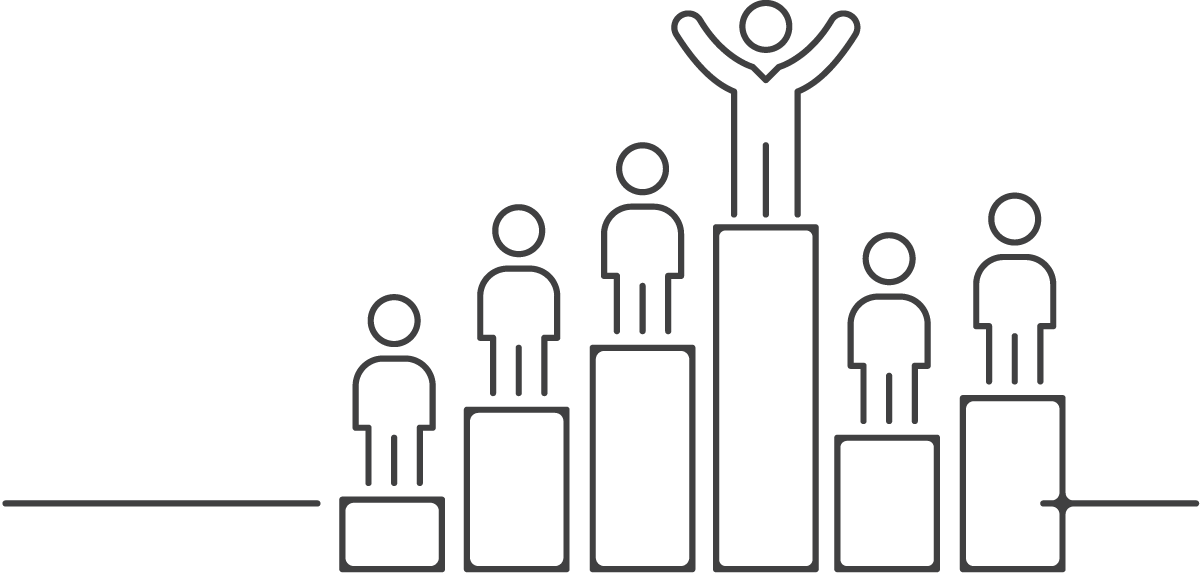
However, both large groups are similar because they are broad and use these actions, decisions, and use brand as social currency in their respective groups. Note that although these do signal (prove) to the individual their internal narrative is aligned with their actions (they are who they think they are) — we can also see that these signals are very driven by the force of social currents. Either way, this social “currency” determines status. Brands play a role in this because they are used as the signaling devices of the social currency.
The use of brands are shortcuts to proclaim a status. For example, someone driving a Subaru is using the brand (and its associations) to signal differently than someone driving a Chevy. The brands instantly portray the values, perspectives, behavior, and even lifestyles to the viewers. Although it may be presumptuous and not 100% accurate, the brand is used to blast a quick message as they drive by going 70mph on the freeway.
The perception of the brand is used to alter our own portrayal to gain status whether that is for alignment status or rebellion status or anything in-between. The brand is a magical device that shows our behavior for past, present and future. While this may seem out there a bit, but I believe you can reduce a lot of purchase decisions to this function because we are social animals and status is part of how we see the world. From ranking things to popularity polls, we have a natural tendency to sort and rank — which determines status — and brand helps us achieve that.
