
 Reilly Newman |
 The problem with memory is that it doesn’t work the way we think it does. Most of us assume the brain is like a computer that pulls up a saved file. It’s not. Every time we “remember” something, our brain rebuilds it from scratch using emotional weight, sensory cues, and whatever context happens to be around. Nothing gets pulled forward intact. It gets reconstructed.
Which means the brands people forget weren’t really forgotten. They were never encoded with anything strong enough to be rebuilt later.
Impressions and Emotion
“Making an impression” is an old adage, and old adages usually carry some truth. The truth here is that to be remembered, something has to make you feel. To bore is to be forgotten.
This is where brand lives. Brand is the perception your audience holds of your company, and perception is mostly emotional. How did it feel? What was the vibe? Did the experience match the promise? Those answers get compressed into something the brain can store cheaply and pull back quickly.
Cues and Retrieval
Our brains don’t store memories whole. They store compressed emotional impressions and the cues that lead back to them. Walk past a bakery and suddenly you’re thinking about your grandmother. That’s retrieval. A cue kicked off a memory reconstruction.
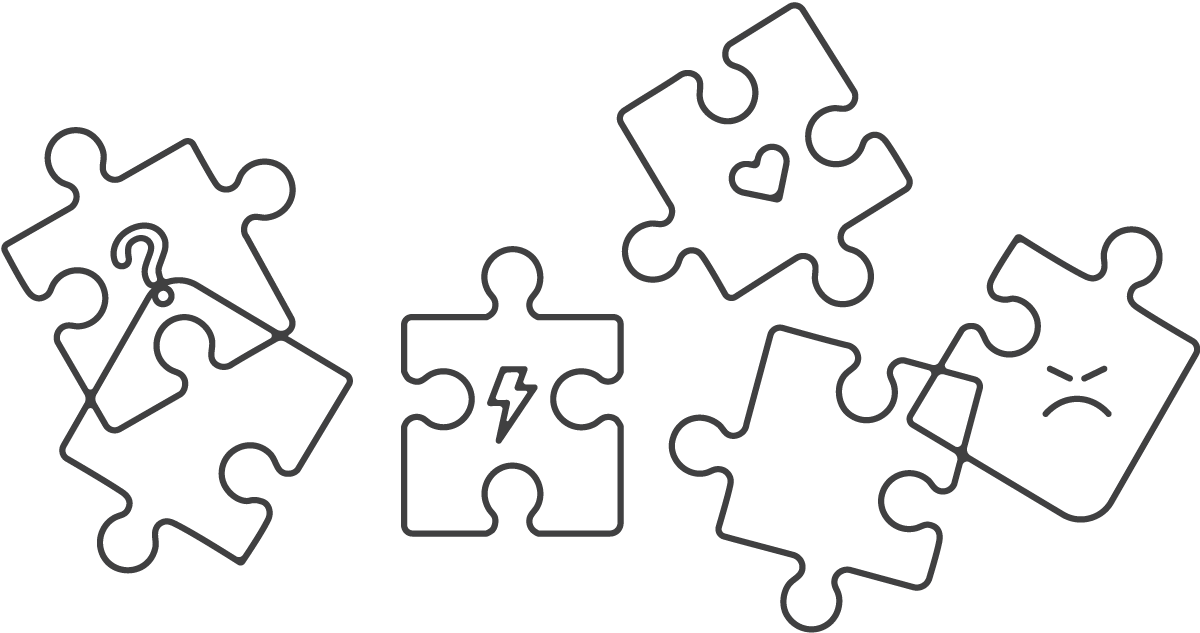
Brands work the same way. A friend asks for a recommendation. You walk down the aisle. A competitor’s ad pops up. Each one is a cue, and each one prompts your brain to stitch the brand back together like a puzzle from whatever emotional fragments got encoded the first time around.
Feelings and Vibes
“Vibe” is how people describe a feeling they can’t quite put into words. “It had a beachy vibe.” “That place’s vibe felt kind of haunted.” “Total Small World vibes.” The word does a lot of work. It’s the bridge between a stored emotional impression and the language someone actually uses to share it.
When someone recommends your brand, they’re translating a feeling into words. And the words shift depending on what they’re trying to do:
“It’s the organic one that the kids love.”
“That brand with the bunny and purple box.”
Same brand. Different words. The reconstruction changes based on whether they’re telling a friend, pointing their spouse at the right shelf, or googling it later. Intent shapes what gets rebuilt in the context. The words take into consideration the subjective value based on the situation and distinctive attributes that address the apply to the specific intent.
So Are Brands Remembered?
Not really. Your brand isn’t a static thing sitting in someone’s head. It’s a reconstruction your audience performs every time they need it, and what they rebuild depends on the feelings they encoded and the context they’re in when they reach for it.
If you want to be remembered, you have to give people something worth rebuilding.
